Kitchens in Orange County do double task. They host household breakfasts, Zoom lunches, and late dinners after a 405 crawl. Excellent under cabinet lighting brings a lot of that load. Done well, it turns dark counters into intense work zones and provides your backsplash the radiance it should have. Done badly, it creates glare, shadows, and finicky switches that no one uses.
I have spent years crawling inside cabinets from San Clemente to Fullerton, tracing wires in tight soffits and fishing chauffeurs through impossible corners. The right option is rarely the exact same two times. Cabinet depth, counter color, backsplash texture, code requirements, and how you in fact prepare all matter. Here is how I approach under cabinet lighting tasks in Orange County, with genuine information you can use and mistakes to avoid.
What under cabinet lighting should accomplish
Start with the function. You require practical task light over-the-counter, soft ambient light for nights, and a method to highlight materials without hot spots or scallops. The target light level for prep work lands around 30 to 50 foot-candles on the counter top. In plain terms, you must have the ability to mince cilantro without your own body casting a shadow, and you need to not see dots of light showing in your eyes when you lean over a sleek quartz slab.
Color likewise matters. For the majority of kitchen areas, 2700K to 3000K checks out warm without going amber, and it pairs with typical recessed lighting in Orange County homes. Modern home appliances lean cooler. If your recessed cans are 3500K, matching under cabinet color prevents a two-tone cooking area. High color rendering index, 90 CRI or much better, makes fruit and vegetables, finished dishes, and natural wood look right.
Dimming is non-negotiable. At complete power, you desire clean task lighting. At 10 to 20 percent, you desire a night radiance that will not wake anyone. The dimming method depends on the system you select. A little planning here conserves a great deal of headache with buzzing chauffeurs and cranky switches.
Fixture types that really operate in kitchens
I see 4 households utilized most often. Each has its place, and each can go sideways if matched to the wrong cabinet or backsplash.
- LED tape in aluminum channels with diffusers: Versatile, thin, and efficient in constant light without dots when coupled with the best lens. This is my default for tight reveals, curved cabinets, and long runs. Pick quality tape with a dense diode count, 90+ CRI, and rated output in between 200 to 500 lumens per foot. Always utilize an aluminum channel for heat sinking and a frosted cover for diffusion. Linear bar lights: Stiff, factory-finished bars with incorporated lenses and, sometimes, motorists. Great for directly, basic cabinet areas. They set up quickly, look clean, and withstand sagging. They can be a hair taller than tape in channel, so verify reveal height. Puck lights: Small round or square fixtures. They produce pools of light that match glass-front screens or specific niches. On counters, they can produce scallops and glare, particularly on glossy stone. I rarely define pucks for primary job lighting any longer, however I still use them for accent in cabinets with glass shelves. Plug-in modular systems: Big-box kits with snap-together bars and a noticeable cable. I only utilize these for leasings or stopgap solutions. They are quick and affordable, however cable television clutter and restricted dimming make them a compromise.
When a customer requests for the brightest possible system, I measure. Too much light, especially on white quartz, looks scientific. A balanced system uses more even protection, not just bigger numbers.
Hardwired vs plug-in, and why it impacts everything
Hardwired systems tie into a switched circuit and hide the power supply. They look finished and integrate with wall dimmers or smart controls. In a full remodel, we rough in a dedicated lighting circuit or tap an existing lighting branch, then mount low voltage motorists in available spots like a pantry, basement, or a neighboring cabinet with ventilation. California Title 24 acknowledges high efficacy LED under cabinet lights, so with the ideal fixtures you stay compliant.
Plug-in systems use a transformer brick or in-line driver that shares an outlet with a toaster or coffee machine. They fast to set up but reveal cords and adapters. I use them only when walls can not be opened and the house owner values speed over aesthetics.
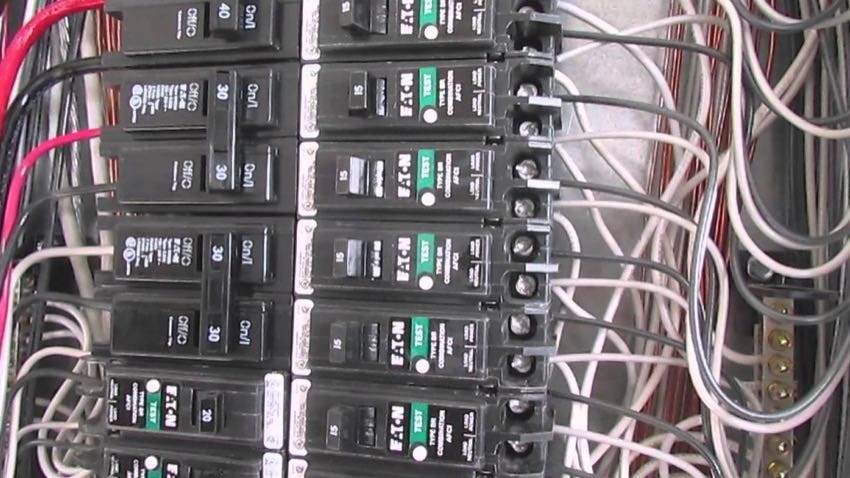
In both cases, plan for motorist access. A chauffeur hidden forever behind a tiled backsplash ends up being a future drywall saw issue. I mount chauffeurs in a cabinet above the microwave, in the garage on the other side of a shared wall, or in the basement ceiling if the run is brief. As a certified electrician in Orange County, I will not bury a splice or a driver where you can not legally and practically reach it. If your existing setup did that, an Orange County electrical repair go to can bring it up to code while preserving the majority of the tile.
Where the light should sit
Placement identifies shadow and shimmer. For deep counters, objective to mount the light at the front third of the cabinet bottom, not back at the wall. That tosses light forward over the prep zone and avoids brilliant lines showing throughout polished stone. If you have a full-height slab backsplash, validate with your producer that your aluminum channels will not telegraph through. For basic ceramic tile, pre-plan cutouts and channel termination so the tile setter can finish easily to the lens.
Under really shallow cabinets over ranges or appliance garages, switch to a narrower profile channel or a purpose-built slim bar. I have seen 1 inch exposes that leave no space for basic channels. There is almost always a low profile alternative, however it needs to be purchased, not got same day.
Color temperature level, CRI, and flicker in real kitchens
The color you select must appreciate natural light in your space. Newport Beach homes with large sliders read warmer in the early morning and night. In Huntington Beach cottages with little windows, cooler light can help a dark galley kitchen feel less cave-like. I carry 2700K, 3000K, and 3500K samples on the truck. We stick a test strip under a cabinet and take a look at it during the night. A 5 minute demo conserves a thousand words and a return visit.
CRI above 90 pays off in kitchen areas with natural stone and wood. Veins look true, and white paint prevents a dull gray shift. More affordable packages often declare high CRI but flicker at low dim levels. I use flicker meters in the field, however even without tools, you can point your phone electronic camera at the light in sluggish motion and spot banding. Quality motorists and PWM frequencies above 25 kHz solve that. If you have eye strain or video artifacts when filming in the cooking area, call an Orange County electrician to evaluate motorists and dimmers.
Dimmers, drivers, and the switch box you currently own
Most kitchens in Orange County have a 3 gang box near the entry with switches for cans, pendants, and under cabinet. If your box is crowded with old back-stabbed devices and no neutrals, that affects your alternatives. Numerous modern LED dimmers prefer a neutral for steady low-level performance. We test existing circuitry during an electrical assessment to confirm neutral accessibility, box fill, and grounding. If required, I will move terminations into a much deeper old work box. A 22 cubic inch box rarely cuts it for 3 decora gadgets plus pig-tails.
For drivers, you deal with a simple fork. Choose 120V dimmable chauffeurs that work with forward stage or reverse stage wall dimmers, or go continuous voltage with clever control modules that dim on the low voltage side. The first choice keeps traditional changing. The second unlocks to scenes and voice control through wise home electrical wiring, but it needs to be designed cleanly. Blending control types on the very same run welcomes ghosting and flicker. When in doubt, keep one control method from the breaker to the LEDs.
If the dimmer buzzes, swap it. Some pairing charts are marketing fluff, and even among the very same brand, not every dimmer matches every driver. I keep a few known-good SKUs on hand that play nicely with popular 24V tape. That habit was discovered after a long afternoon in Mission Viejo chasing a hum that turned out to be a line-voltage dimmer feeding a magnetic driver that desired reverse stage. The fix took 10 minutes once the right part was on site.
Code and Title 24 notes specific to Orange County
California Title 24 demands high efficacy lighting and job or tenancy picking up in numerous areas. Under cabinet fixtures can certify as high effectiveness when they are listed LED units or tape systems set up as a total noted assembly. Deal with a local electrician in Orange County who comprehends how inspectors translate labeling. In Anaheim, I have had an inspector check for the listing on the bar itself, not simply the driver. In Laguna Niguel, the focus was on dimmer compatibility and wattage labeling inside the cabinet.
While GFCI protection is for outlets serving counter tops, not for the lighting circuit, shared neutrals and multi-wire branch circuits sometimes connect things together in creative older remodels. During entire home rewiring in Orange County, I separate lighting and receptacles onto devoted circuits to decrease nuisance trips and make future repairing cleaner.
If you plan an electrical panel upgrade in Orange County as part of a larger remodel, rectify arc fault requirements with your electrical professional. New lighting circuits normally need AFCI security. Quality chauffeurs handle it fine, but inexpensive imports can journey new breakers.
Countertop and backsplash quirks you do not wish to ignore
Granite with heavy motion can conceal shadows. Quartz reflects and bounces bright dots if the lens is too clear. Glossy ceramic tile magnifies scallops from pucks. Textured stone softens light however collects dust on open tape. I define frosted lenses and continuous runs over reflective materials, and I choose 45 degree angled channels to press light towards the backsplash instead of directly down when glare is a threat. For sharpened or leathered surface areas, directly down light appearances better due to the fact that it emphasizes texture without mirror reflections.

Mirrored or metallic backsplashes, which I still see in Irvine and Costa Mesa remodels, need caution. Angle the light or pick a much deeper scattered lens to avoid a hard line in the mirror. A little shift in channel position makes a big difference in visual comfort.
Power routing without destroying the kitchen
If the walls are open, we rough in line voltage to tactical junction points at cabinet tops or inside appliance garages, then drop low voltage inside the cabinet cavities. If the tile is set, we fish flat low voltage cable television through toe kicks, up finished pantry walls, or across basements to reach both ends of a long run without noticeable wires. Low voltage circuitry in Orange County still requires to be supported and safeguarded where based on damage. I utilize raceways where a vacuum or mop may snag a cable.
You will not catch me drilling right through an ended up cabinet face frame to pop out a wire into daylight. Tidy work routes cables along the back, around assistances, and into channels that hide whatever. For shallow light rails, I custom-made notch the back of the trim to get the aluminum channel, then pin nail and caulk for a flush surface. That method, the light disappears, and you see just the effect.
Smart control that feels natural
Smart lights need to feel like a routine switch first, then an app when you want more. For under cabinet runs, I often utilize a standard wall dimmer that likewise binds to a hub. That maintains muscle memory for guests and kids, while offering you scenes for cooking, dining, and clean-up. Voice control for under cabinet lights sounds indulgent till you get back with groceries, say the word, and enjoy the counters glow as you set whatever down.
If you already have a system for recessed lighting in Orange County homes, like Lutron Caseta, RadioRA, or a popular Wi-Fi platform, match the under cabinet control. Mixed communities make complex automation. If you need help sorting the alphabet soup, a domestic electrical contractor in Orange County can examine what you own and recommend a path that does not need replacing everything.
A couple of real job snapshots
In a San Clemente coastal kitchen area with white quartz and a fog-gray subway tile, we installed 24V high density tape in recessed aluminum channels. Drivers landed in the garage on the opposite side of the variety wall, with brief low voltage penetrations through fire caulked holes. A reverse phase dimmer offered silent low level night lighting. The homeowner had complained that her old pucks left the corners dark and tossed intense dots on the counter. Even protection fixed both grievances, and energy utilize dropped below 40 watts for the entire system.
A Tustin cottage with shallow 10 inch uppers needed ultra thin bars. Standard channels would have hung below the trim line. We used a 7 mm low profile bar ranked at 350 lumens per foot, matched to a 3000K spec to mix with existing cans. Circuitry went through a covert chase behind a spice pullout. No drywall was opened. The whole lighting setup took 5 hours because we prepared driver placement inside a cabinet above the fridge where there was currently a receptacle on the lighting circuit.
In a Fullerton mid-century with initial cabinets and a brand-new slab backsplash, the owner insisted on plug-in due to budget. We selected a tidy modular package with a flat power cable color matched to the grout. It was not ideal, but it prevented a tangle of cords and kept the counter outlets free. When the customer later set up an EV charger installation in Orange County, we went back to hardwire the under cabinet runs and rationalize the panel. It is not uncommon for small upgrades to piggyback on bigger electrical work.
Maintenance and what fails first
LEDs last, however environments vary. Cooking areas build a thin film of oil on whatever, even with a great hood. That movie captures dust, and dust cuts light output. When a quarter, clean diffusers with a microfiber cloth lightly dampened with moderate soap and water. Prevent ammonia near anodized aluminum.
Tape separates when the channel is not degreased or when the adhesive is low grade. I clean with isopropyl alcohol, then use clips in addition to adhesive in hot zones near varieties. Motorists stop working before LEDs. A quality driver should run for 30 to 60 thousand hours. Heat is the enemy, so I install drivers where air can move and never inside a sealed cavity beside a warm chimney or oven.
If a section flickers, inspect low voltage connections initially. Set screws loosen up in time if they were over-torqued once. Push connectors with a little dielectric grease hold much better. If the entire run flickers at a specific dim level, suspect dimmer compatibility. An electrical contractor near me in Orange County can frequently resolve that with a dimmer swap instead of removing the lights.
Cost varies you can trust
Numbers depend upon gain access to and surface standards, but for a normal Orange County kitchen area with 20 to 35 linear feet of under cabinet lighting, anticipate:
- Plug-in modular sets set up cleanly: $350 to $800 in parts, $300 to $600 labor, primarily cord management and installing. Short lead time. Hardwired tape in channels with dimmer: $700 to $1,500 in parts for quality tape, channels, chauffeurs, and dimmer, plus $800 to $2,000 labor depending upon access and tile. Licenses might add costs if brand-new circuits are added. Premium linear bars with incorporated chauffeurs and scene control: $1,200 to $2,500 in parts, $1,200 to $2,500 labor for electrical wiring, mounting, and shows. Outstanding when you desire a factory appearance and bulletproof dimming.
If the panel is maxed out or risky, a panel replacement in Orange County might be recommended throughout a larger remodel. Connect that work to other upgrades like generator setup preparation or devoted circuits for appliances to decrease overall downtime.
A quick planning list before you buy anything
- Measure cabinet depths, reveal heights, and the lengths of each run, including spaces around sinks and ranges. Decide color temperature level by testing samples during the night together with your recessed lights. Choose a dimming approach that matches your existing switches and wise home platform. Identify motorist places that are available, aerated, and on the correct circuit. Coordinate with your backsplash installer so channels and terminations end up cleanly.
Bring these notes when you meet an Orange County electrical contractor. Clear inputs cut site time and last-minute compromises.
Safety, allowing, and when to call a pro
Working inside completed cabinets can feel harmless, however whenever we open a wall box, add a chauffeur, or connect into a lighting circuit, electrical security guidelines apply. Pressure reliefs on cabinet penetrations, correct splices inside noted boxes, and bonding of metal channels where required are not optional. If your kitchen area has aluminum attired cabinets or a metal hood that shares a stud bay with circuitry, you desire a licensed electrical contractor in Orange County to examine the path before anybody drills.
For house owners debating DIY versus working with, I draw the line at the point where line voltage enters the system. Installing channels and tape is well within a careful DIYer's reach. Connecting into existing circuitry, including a wise dimmer, or running new branch circuits is better left to a residential electrical contractor in Orange County. The expense of a tidy, permitted job is less expensive than repairing a shorted chauffeur that cooked a cabinet or tracking a concealed splice when a dimmer fails.
If you are mid-remodel and the tile crew gets here tomorrow however the power is not roughed in, a same day electrical contractor in Orange County can frequently a minimum of location junctions and fish pulls so the surface work can continue. For immediate problems, like a tripped breaker that will not reset after a DIY lighting attempt, a 24 hr electrical expert in Orange County can make the scene safe and get fundamentals back online.
Edge cases that change the plan
Older homes in Santa Ana and Orange sometimes have plaster and lath walls that resist fishing. In those cases, I look for attic drops behind soffits or basement runs that pop up through cabinet backs. Cabinet building likewise differs. European frameless boxes offer more interior room to hide drivers and electrical wiring, while face frame cabinets can pinch cable paths at stiles.
If your cooking area includes a window over the sink with no upper cabinets, that space typically produces a dark spot. 2 fixes work well. Extend the nearby under cabinet stumble upon using a slim bar embedded in a thin valance, or aim a gimbal recessed fixture towards the sink and balance its color to the under cabinet system. Recessed lighting in Orange County homes is common, so blending the 2 is straightforward.
For rental units or ADUs where you want removable solutions, battery systems sound tempting, but recharge cycles and weak output undermine daily use. A much better compromise is a plug-in bar with a discrete surface raceway painted to match the cabinet. It is not permanently, but it is safe and bright.
Tying under cabinet lights into the bigger electrical picture
Under cabinet lighting rarely lives alone. During cooking area jobs, we frequently deal with outlet setup along the backsplash, swap tired fans with peaceful hoods, and include circuits for espresso devices. If you are updating outlets to include USB or tamper resistance, confirm GFCI placement and load line relationships so nuisance trips do not eliminate lights. If you are updating the entire space, think about clever home wiring for tenancy sensors in kitchens and low voltage wiring for cabinet interiors with glass doors. Under cabinet systems can trigger interior cabinet lighting scenes when you set the cooking area to entertain mode.
When we visit for lighting installation in Orange County, we likewise look at the circuit box. Corroded lugs, double tapped breakers, and questionable neutrals appear regularly than you would think. A fast electrical assessment captures issues early. It is less expensive to address small corrections during a prepared see than throughout an emergency electrical contractor get in touch with a Sunday night.

Choosing the right partner
There are many methods to assemble an excellent system. What separates a neat, long-term setup from a headache is attention to small https://juliusxaah530.capitaljays.com/posts/orange-county-electrical-contractor-from-design-to-installation restrictions and the willingness to state no to a pretty idea that will not age well. Ask your professional about motorist access, dimmer compatibility, Title 24 compliance, and where splices will live. If you hear unclear responses, keep looking.
A leading ranked electrical expert in Orange County must be comfy with both the woodworking side of channel placement and the electrical side of safe, code certified wiring. The best electrician is the one who will discuss trade offs, reveal samples, and return calls a year later on if you have concerns. Affordability matters, but so does the surface. A a little greater parts budget for high density tape and quality drivers pays you back whenever you cook.
If you are beginning a cooking area refresh, looking for an electrical expert near me in Orange County, or preparing a larger remodel that includes recessed lighting, outdoor lighting, or perhaps a future electric car charger, choose a local electrician in Orange County who can handle the entire scope. It keeps the handoffs tidy and the outcomes consistent.
Under cabinet lighting is a little line product on a task spreadsheet, yet it alters how you live in the area. When the counters glow without glare, when switches dim efficiently, when the backsplash looks alive at night, the kitchen area feels finished. That is the result worth going for, and with the right plan and team, it is really achievable.